 # **The DIY Blueprint: Enhancing Your Home Through Thoughtful Design**
Transforming your home can be immensely rewarding but daunting, especially if it’s your first time stepping into the world of DIY design. With 25 years of construction experience, I am here to empower you with detailed, step-by-step guidance to confidently tackle your home improvement projects! Let’s explore how you can create spaces that feel personal and inviting while maintaining safety and quality.
## **Identifying Common Design Challenges**
Every homeowner encounters challenges when it comes to home design. Whether it’s a cramped living area, outdated décor, or simply a desire for a fresh look, understanding your specific needs is the first step toward a successful transformation.
### Common Challenges:
1. **Limited Space:** Often, homeowners feel confined by small rooms that seem unchangeable.
2. **Clashing Styles:** Mixing different styles can lead to a chaotic environment if not done thoughtfully.
3. **Budget Constraints:** Everyone wants a beautiful home, but high costs can be a deterrent.
By addressing these common issues step by step, you can create a functional and stylish home that reflects your personality.
## **Understanding Your Space**
The first phase of any design project is recognizing the limits and opportunities of your existing space. Here’s how:
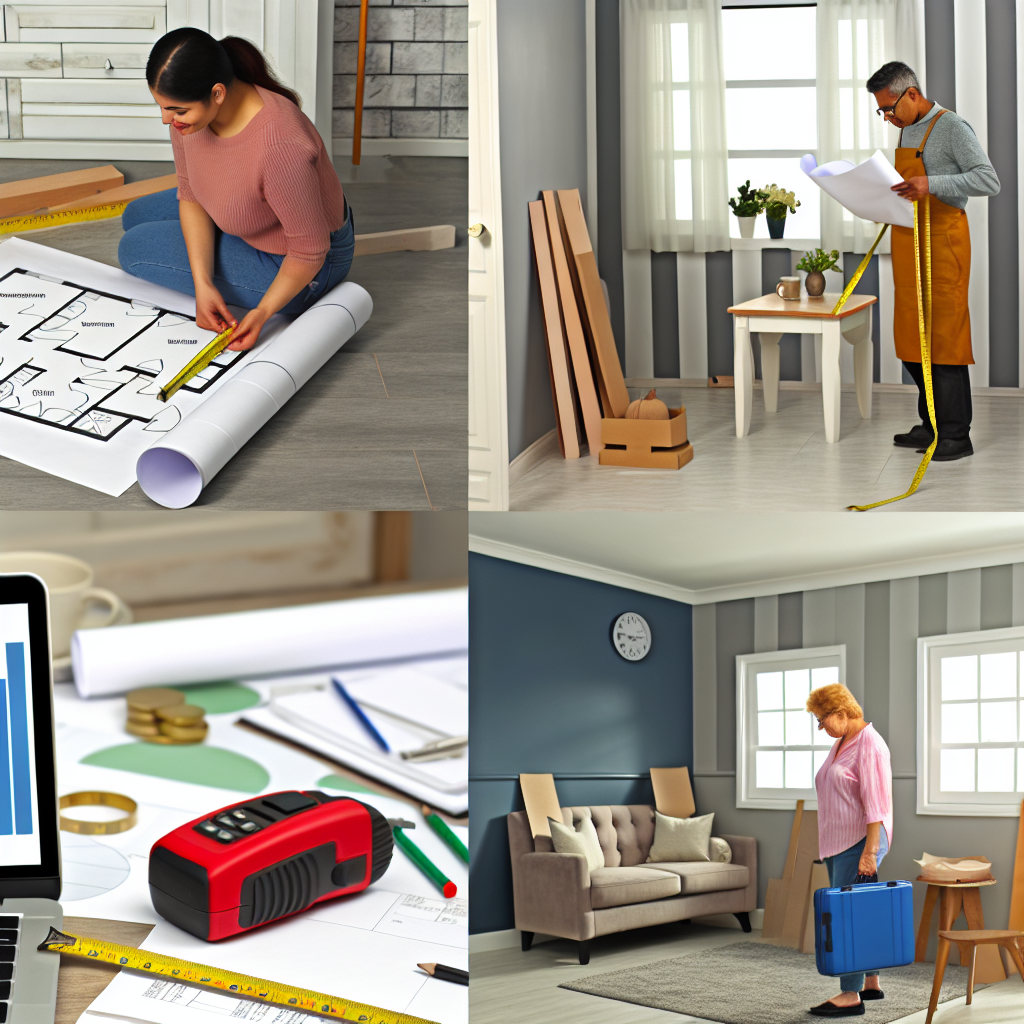
### 1. Measure Your Space:
– **Tools Needed:** Measuring tape, pen, notepad.
– Take precise measurements of your rooms, noting dimensions, windows, doors, and built-in features. This prevents overstuffing and ensures furniture fits appropriately.
### 2. Create a Floor Plan:
– **Recommended Software:** Use tools like **RoomSketcher** or **Planner 5D** to visualize your space and furniture arrangements digitally.
– Sketch out a basic plan. It doesn’t need to be perfect; just getting a sense of layout is critical.
### 3. Understand Your Needs:
– Define each room’s function. Will it be a relaxing space, a place for entertaining guests, or a multi-purpose area? Understanding this will guide your design decisions.
## **Do You Need a Designer?**
Sometimes, the insights of a professional can save time and money in the long run. Here’s a quick self-assessment:
– Are you uncertain about color schemes?
– Do you struggle to select materials that fit your vision?
– Is it challenging to balance aesthetics with functionality?
If affirmatives appear in your answers, consider consulting a budget-friendly service like **RoomCure** for expert support.
## **Key Design Resources**
Maximize your DIY potential with these resources:
### **3D Design Tools**
– **HomeByMe:** Ideal for beginners to start visualizing their space.
– **Coohom:** Offers advanced features for delivering immersive designs.
### **DIY Blogs & Inspiration**
– **Apartment Therapy:** Known for practical solutions and inspiring home tours.
– **Design Sponge:** A treasure trove of innovative DIY projects.
### **How-To Guides**
– **Pinterest:** Excellent for gathering and organizing design ideas.
– **Instructables:** Offers projects that range from basic to advanced.
## **The Importance of Budgeting**
As you begin this journey, safeguarding your finances is essential:
– **Prioritize:** Identify what matters most—whether quality furniture or style elements—and allocate budget accordingly.
– **Explore Alternatives:** You don’t have to sacrifice style for cost. Check affordable retailers like **Wayfair** and **IKEA** for high-quality yet budget-friendly options.
– **Watch for Sales:** Take advantage of seasonal sales or clearance events.
## **Creating Functional Spaces**
Design is not purely aesthetic; it needs to cater to your lifestyle. Here are some tips to enhance functionality:
– **Multi-Functional Furniture:** In compact areas, consider furniture that serves dual purposes, like a dining table that also functions as a workspace.
– **Define Areas:** Use area rugs or visual cues to separate spaces in a larger room without putting up walls.
## **Emphasizing Safety**
Before starting any project, prioritize safety:
– Always wear personal protective equipment ( gloves, goggles) and ensure your workspace is tidy to avoid accidents.
– For complicated tasks, particularly those involving electrical or plumbing work, consult a professional to ensure the job meets safety standards.
## **Leave Room for Creativity**
Allow yourself the freedom to make changes as you go. Sometimes the best designs come from spontaneous ideas. Flexibility will lead to stunning outcomes.
## **Conclusion and Reflection**
Home design is an exciting journey that doesn’t have to be overwhelming or limited to professionals. By understanding your space, budgeting wisely, and using the right tools and resources, you can achieve your desired look with confidence.
With these guidelines at your fingertips, are you ready to take the next step in your home improvement journey? What aspects of your living space are you most excited to enhance or change? Let’s embark on this DIY adventure together.
Leave a Reply