
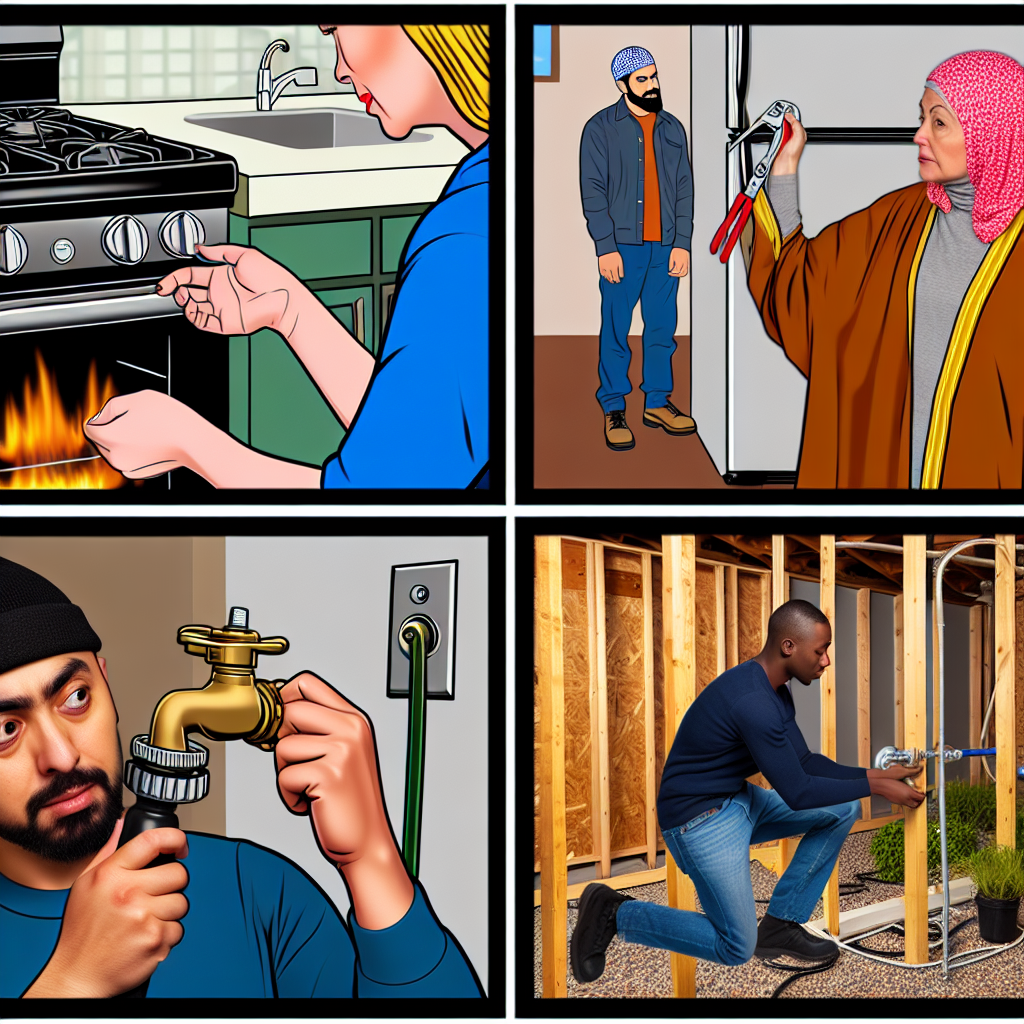
 # Troubleshooting Common Homeowner Mysteries: From Gas Stoves to Deadbolts
## Introduction
Homeownership can often feel like a never-ending puzzle, especially when you’re faced with complications that seem elusive and frustrating. Whether it’s a gas stove burning with unusual flames, a deadbolt that just won’t cooperate, or trying to figure out how to get running water to your garage without damaging the foundation, these challenges can leave you scratching your head. But don’t worry; we’re here to break down these common mysteries and guide you through simple, effective solutions to keep your household running smoothly.
### The Case of the Roaring Flames: Solving Gas Stove Oddities
**Have you ever been puzzled by an appliance that just won’t behave?** If you find yourself staring at your brand-new gas stove, perplexed by tall orange flames roaring from all burners, it’s time to take a closer look.
#### Not Just Air Quality
First, let’s eliminate air quality issues. Check if your humidity levels are normal and perform a separate flame test to see if the flames burn steadily blue at a lower setting. If so, you can rule out ventilation problems. Instead, focus on the gas supply. A sudden change in your appliance’s behavior does not always indicate it’s the culprit. In newly built homes, you may experience odd gas flow patterns or pressure inconsistencies that aren’t immediately apparent.
#### The Replacement Conundrum
After having four stoves replaced, you might realize that the problem resides deeper than defective appliances. Each stove should have been installed properly for natural gas use; therefore, the issue may lie in the gas line or connection itself. **Follow these steps:**
1. **Check the gas supply**:
– Ensure your gas line is provided correctly with the right diameter and is unobstructed.
– Call your gas company to inspect line sizing, burner alignment, and connections.
2. **Conduct a pressure test**:
– A professional can verify the pressure in the gas lines to identify any inconsistencies.
3. **Inspect for leaks**:
– Apply a soapy water solution at different connection points. Bubbles indicate a leak.
4. **Consider airflow alternatives**:
– If problems persist, consulting with an HVAC expert may also be beneficial.
### Key-locked Out: Troubleshooting Deadbolt Issues
Now, imagine this: you’re standing outside your house, key in hand, ready to lock up, but your deadbolt isn’t cooperating. It works perfectly from inside yet stubbornly refuses to secure your door from the outside. So, what could be going wrong?
#### The Easy Fixes First
Many deadbolt problems can stem from straightforward issues like misalignment or obstructions. **Follow these troubleshooting steps:**
1. **Align the Deadbolt**:
– Ensure that the deadbolt extends into the strike plate flush when turned.
– Look for any gaps between the door and frame; if noticed, shims may need to be added to realign the door.
2. **Inspect for obstructions**:
– Check if any dirt or debris is clogging the mechanism. Clean around and inside the deadbolt using compressed air.
3. **Lubricate Mechanisms**:
– Apply graphite lubricant to the cylinder and locking mechanism; avoid using oil-based lubricants that can attract dirt and debris.
### Winterizing Sprinklers: To Air Compressor or Not?
As the seasons change, homeowners often face the task of preparing their outdoor systems for winter. If you’ve been wondering whether an air compressor is necessary for winterizing your sprinkler system, here’s a rundown of your options.
#### The DIY Approach
Good news! You can winterize without an air compressor! **Here’s your action plan:**
1. **Shut off the main valve**:
– Locate the valve that controls water flow to your sprinkler system.
2. **Run the sprinklers**:
– Let the system run until all water is expelled from the lines.
3. **Consider gravity flow**:
– Make sure that your system allows for self-draining, especially if your property’s slope aids in drainage.
#### Consider Local Climate
If you reside in colder regions, take extra precautions:
1. **Insulate above-ground components**:
– Use insulating foam or heat tape where necessary.
2. **Consult with local experts**:
– Getting guidance, especially from professionals, can often save you the headache of frozen pipes later.
### Water Line Woes: Bringing Water to Your Garage
Do you have a detached garage and want to bring running water inside without risking damage to the foundation? You’re likely faced with a couple of choices.
#### Effective and Minimalist Solutions
Start by considering these key approaches:
1. **Tying into an existing line**:
– This is a common method; however, ensure you insulate any exposed sections to avoid freezing.
2. **Going underground**:
– PEX tubing is an excellent option. Drill a slight angle from the main supply to avoid major excavation.
#### Digging Deeper
Before starting your project, it might be wise to consult with a plumbing expert or contractor to ensure you’re taking the safest path:
1. **Seek guidance**:
– Professionals can also help you navigate local building codes and avoid risks to your existing foundation.
2. **Plan for contingencies**:
– Always have a backup plan in place; preventing larger issues is better than dealing with repairs later.
### Empower Yourself as a Homeowner
Many of the frustrations faced by homeowners can often be distilled into manageable solutions with the right approach. Remember to troubleshoot systematically, consult with professionals when necessary, and don’t shy away from rolling up your sleeves to tackle repairs yourself.
**Final Question:** What home improvement project have you been procrastinating on, and what skills would you like to develop to tackle it confidently?
Leave a Reply