
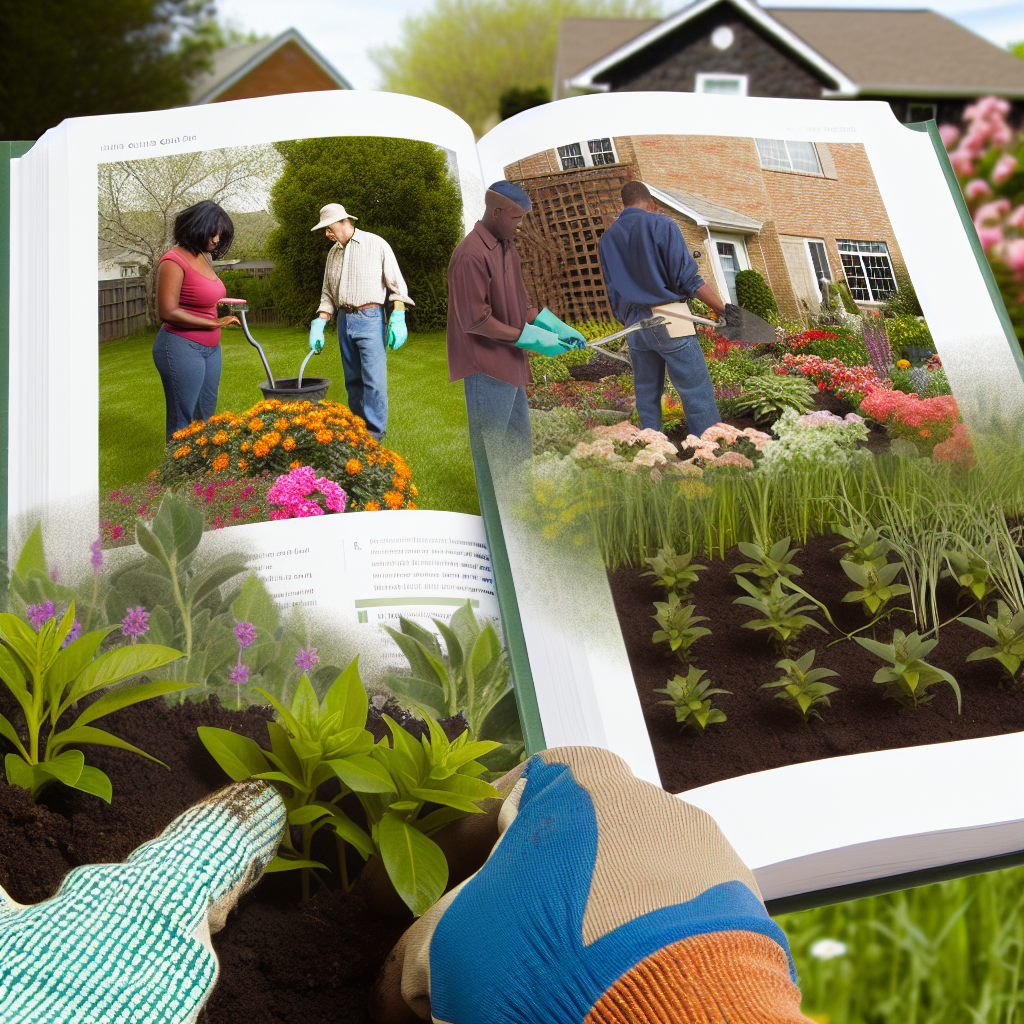
 # The DIY Blueprint: Transform Your Garden into a Green Oasis
Gardening is not just a hobby; it’s a transformative journey that allows homeowners to enhance their outdoor spaces and connect with nature. Drawing from 25 years of construction experience, I’m excited to share an instructional guide that will help you embark on your gardening adventure. Whether you’re starting from scratch or revamping an existing garden, this article will provide detailed steps to ensure safety and quality results, all while nurturing your green thumb.
## Problem or Project Introduction
Many homeowners find the idea of creating a lush garden daunting. Common challenges include selecting the right plants, poor soil conditions, or dealing with invasive species. With the right tools, techniques, and a little patience, you can turn your vision of a beautiful garden into reality. Let’s break down the steps to help you cultivate a vibrant outdoor space.
## Step 1: Kickoff Your Gardening Adventure
Before you dig in, it’s essential to have a vision. Picture your perfect garden. Do you prefer flowering plants, vegetables, or a combination of both? Create a sketch showing the layout you envision. This planning phase will allow you to identify the best areas for sun, shade, and accessibility.
### Tools You’ll Need:
– Measuring tape
– Notepad and pencil
– Garden planner app (optional)
## Step 2: Evaluate Your Space
1. **Assess Sunlight**: Observe your yard throughout the day. Identify areas that receive distinct sunlight: full sun (6+ hours), partial shade (4-6 hours), and full shade (less than 4 hours).
– **Pro Tip**: Take notes on which plants flourish in those areas during different seasons.
2. **Check Soil Quality**: A simple way to assess your soil is by doing a jar test. Collect a sample from your garden, add water, and shake. Allow it to settle and observe the layers for sand, silt, and clay. This will help you understand the drainage and nutrient levels of your soil.
### Tools You’ll Need:
– Jar for the soil test
– Garden trowel
– pH test kit (optional)
## Step 3: Choose Your Plants Wisely
Select plants that thrive in your local climate and attract pollinators. Native plants are a fantastic choice as they require less maintenance and water.
### Suggested Plants:
– **Hydrangeas**: For color and blooms throughout summer.
– **Bee Balm (Monarda)**: This attracts bees and butterflies and blooms in vibrant colors.
– **Echinacea (Coneflower)**: Hardy and drought-resistant, ideal for beginner gardeners.
## Step 4: Tackle the Existing Landscape
Before planting, it’s important to assess existing plants and landscape features that could impede your gardening efforts:
1. **Remove Invasive Species**: Identify and eliminate any unwanted plants to create space for your new garden. Tackle stubborn weeds and fast-spreading ground covers to set a clean stage for planting.
– **Common Mistake**: Not digging out the entire root system of invasive plants can lead to regrowth.
2. **Create Beautiful Layers**: Design your garden with different heights. Taller plants should be placed towards the back, while shorter plants enhance the garden’s foreground.
– **Pro Tip**: Consider using decorative stones or borders to define planting areas.
### Tools You’ll Need:
– Hand trowel
– Weeding tool
– Rake
## Step 5: Successful Planting
With your space prepared, it’s time to get planting! Here’s how:
1. **Soil Preparation**: Improve your soil by mixing in organic matter like compost. Aim for a mix of 50% soil to 50% organic material, ensuring it’s nutrient-rich and well-draining.
2. **Watering Techniques**: Newly planted beds need consistent moisture. Water deeply to establish strong roots, but avoid overwatering, as this can lead to root rot.
– **Safety Tip**: Always check the weather forecast; avoid planting right before a heavy rain.
3. **Embrace Companion Planting**: Utilize the benefits of plants growing together, like pairing tomatoes with basil for improved taste and pest control.
### Tools You’ll Need:
– Garden spade
– Watering can or hose with a spray nozzle
## Step 6: Harvesting the Fruits of Your Labor
As your plants grow, enjoy the fruits of your labor!
– **Preserve What You Can**: If your plants produce more than you can consume, learn about canning vegetables or freezing your harvest for later use.
– **Share with Friends**: Hosting a potluck where everyone brings their garden bounty is a great way to celebrate your hard work!
## Step 7: Reflect and Continue Growing
Gardening is a learning process. Take notes on what worked and what didn’t. If certain plants thrived while others struggled, analyze the situation to improve next time. Sharing successes and challenges online can build a community and offer insights.
## Empowering Conclusion
Your journey to transform your outdoor space into a flourishing garden is personal and fulfilling. As you embark on your gardening journey, remember that patience and preparation are key. Enjoy the process of learning and adapting as you go.
What skills or projects do you feel ready to tackle in your garden? Share your thoughts and experiences, and let’s cultivate a thriving community of DIY gardeners!
Leave a Reply