
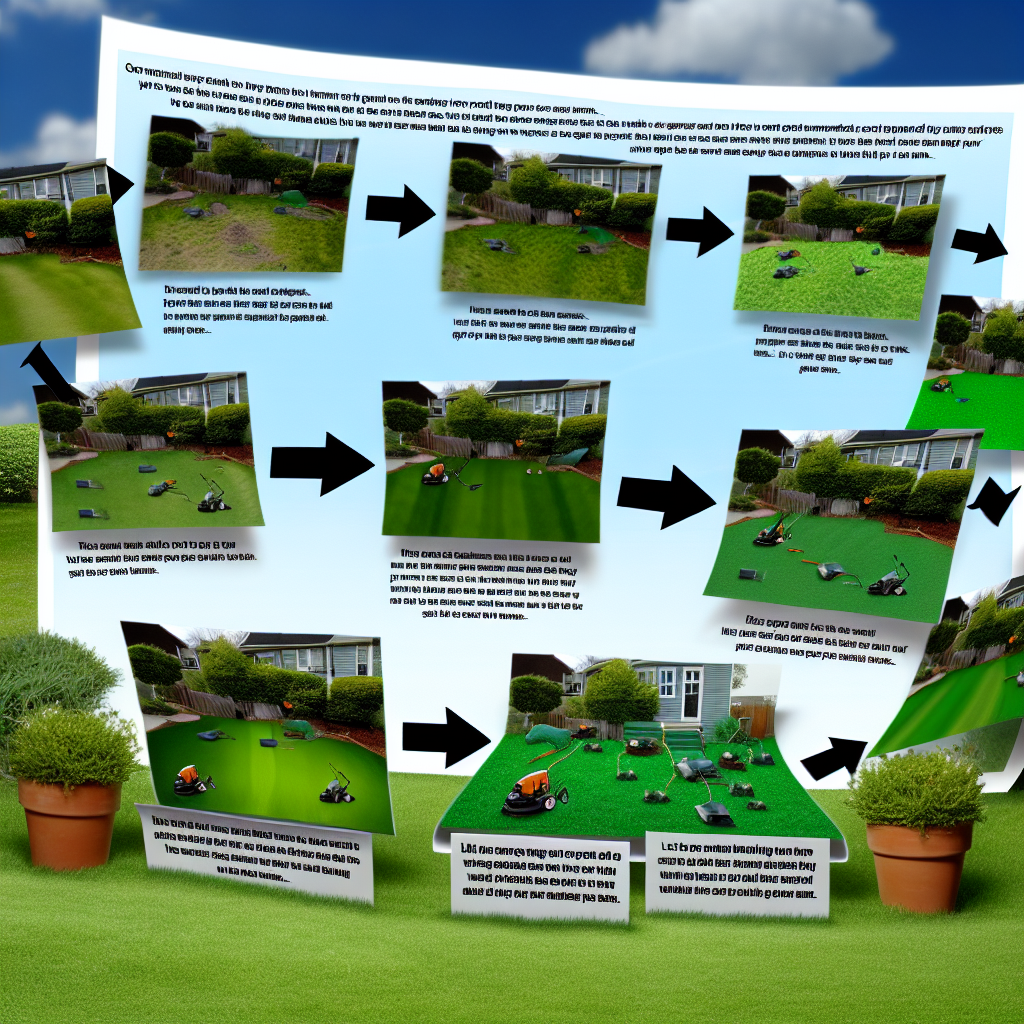
 # The DIY Blueprint: Unlocking Your Lawn’s Potential
Your lawn is often the first thing people see when they visit your home. When you step onto it, do you envision a vibrant space where you can enjoy family gatherings or a lackluster patch that detracts from your property’s value? As a homeowner, particularly from the millennial or Gen-X generations, it’s crucial to know how to cultivate and maintain a beautiful lawn. With 25 years of construction experience, this guide is designed to empower you with practical tips, safety considerations, and professional insights to tackle your lawn care with confidence.
## Managing Fall Leaves: Mulch or Bag?
Autumn brings a beautiful shower of leaves, but it also raises the search for the best leaf management method. Should you mulch them or bag them? The decision often centers on the unique conditions of your yard.
### Understanding the Mulching Process
Mulching can enhance your lawn by returning nutrients to the soil, but it requires strategic implementation. Here’s how:
1. **Observe Your Lawn:** If leaf layers become too thick, you risk smothering the grass, leading to poor drainage.
2. **Mow Responsibly:** Run over the leaves with a mower a few times, ensuring they are chopped into manageable pieces. Aim to keep the layers under two inches to prevent build-up that could harm your grass.
3. **Check Soil Quality:** Healthy mulch enriches the soil. If your mulch material piles up, it could hinder growth come spring!
### When to Bag Leaves
If, after mulching, your grass seems overwhelmed or the leaves clump together, it’s time to bag and compost them. Here’s what to do:
– **Compost Smartly:** Create a compost pile with your bagged leaves, which will provide essential nutrients for your garden in the spring.
### Timing is Everything
Seasonal timing impacts how you manage leaves. Ensure most foliage has fallen before significant mulching. Patient observation will yield great rewards in the coming seasons.
## Tackling Troubled Turf
Is your lawn plagued by uneven patches and uninviting grass types? With a stubborn Kentucky 31 grass once in my yard, I understand the frustration. Here’s my advice:
### Starting Over: The Right Approach
Don’t fight the battle endlessly. Sometimes, starting anew is the best strategy. Here’s how:
1. **Dig it Out:** Completely remove existing grass if it is too aggressive.
2. **Prepare the Soil:** Aerate the soil and add nutrient-rich topdressing to create a fertile base for new growth.
3. **Select Your Seed Wisely:** Choose grass seed that matches your hardiness zone. I’d recommend Lesco Tuff Turf hybrid seed for visible results.
4. **Watering is Crucial:** Keep a consistent watering schedule as the new grass establishes itself.
## Managing Grass Length: When to Mow
Knowing when to mow is vital. Mowing at the wrong time can lead to an uneven lawn. Here’s what you should keep in mind:
### Check Your Weather
Monitor forecasts to plan your mowing days. Avoid cutting during predicted heavy rainfall. Taller grass can protect roots and retain moisture but can become unruly if left unmanaged.
### Clear Your Avenues
For novices, safely mow after recent seeding when your grass reaches about three inches. Sharp mower blades ensure clean cuts that prevent turf damage.
## Thriving Through Turmoil: Overcoming Lawn Challenges
Irrigation issues can ruin a lawn’s health. If you’ve experienced this, it’s time to reassess your sprinkler systems and drainage setup:
### Troubleshooting
Dealing with my patchy lawn required me to adjust my irrigation setup. Here’s how you can troubleshoot:
1. **Aerate and Scarify:** Allow air, water, and nutrients to penetrate effectively by aerating your lawn.
2. **Regular Feeding:** Utilize a balanced fertilizer to support growth after re-seeding with resilient grass types.
3. **Consistent Hydration:** Ensure new seeds receive ample water to thrive.
## Safety First
While it’s crucial to achieve quality results, never compromise on safety. Always wear appropriate protective gear, including gloves, goggles, and sturdy shoes, especially when handling chemicals or heavy equipment. If your project feels overwhelming, don’t hesitate to call a professional.
## Conclusion: Consistency is Key
Cultivating a beautiful lawn involves patience, routine, and a willingness to learn from setbacks. Each season presents unique opportunities to enhance your lawn, so arm yourself with knowledge and preparation.
What projects are you considering for your outdoor space this season? Are you ready to tackle any DIY challenges coming your way?
Leave a Reply