
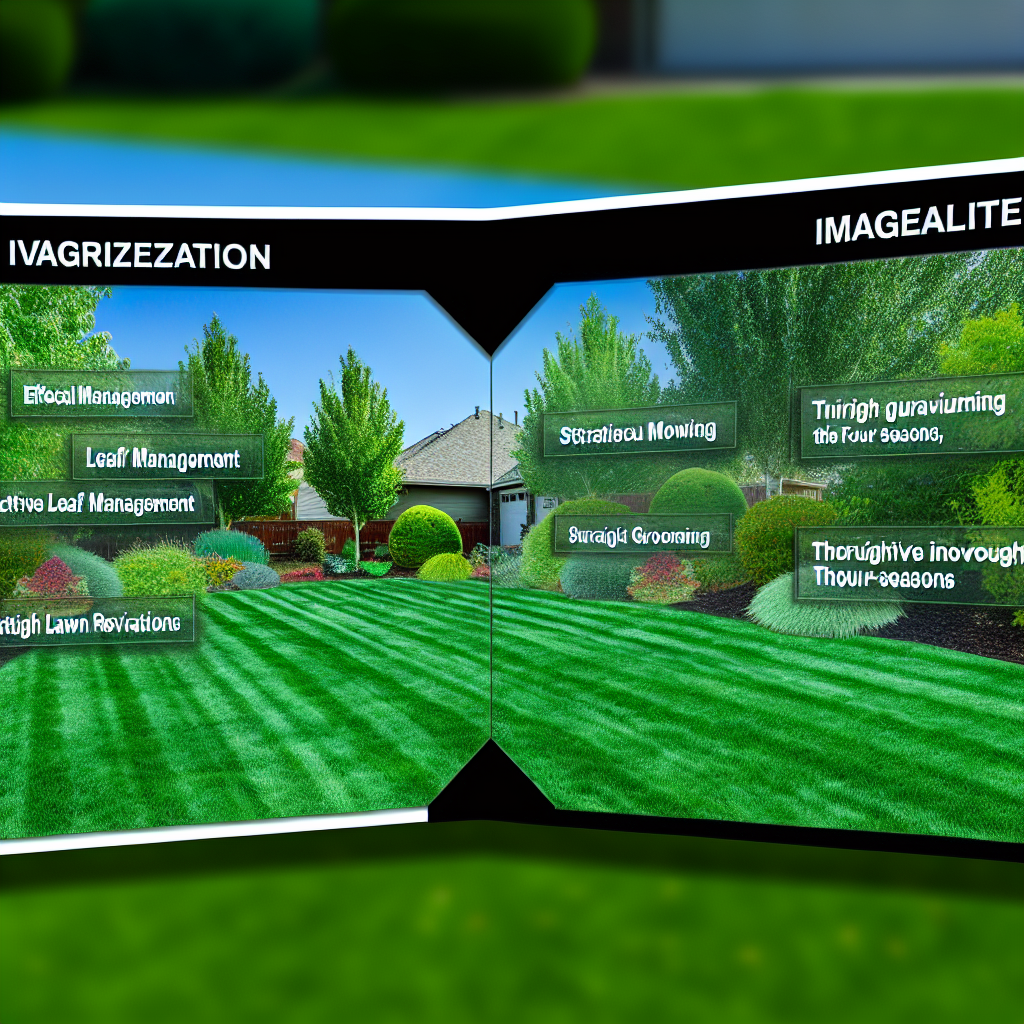
 # Mastering the Art of Lawn Care: Practical Tips for Millennial and Gen-X Homeowners
Creating a beautiful, lush lawn doesn’t need to be an overwhelming task. Whether you’re battling an overgrown yard, dealing with fallen leaves, or facing remnants of previous landscaping decisions, we’ve gathered essential strategies that promise to guide you in revitalizing your lawn into a vibrant outdoor retreat. Here’s a practical guide to navigating common lawn care dilemmas like mulching leaves, mowing challenges, and renovation successes—ensuring your lawn remains healthy and visually appealing year-round!
## Understanding Leaf Management: To Mulch or Not?
As autumn settles in, many of us face the daunting task of managing fallen leaves. It can feel overwhelming, especially if you live in an area with numerous trees. The burning question often arises—should you mulch them into your lawn or collect and dispose of them?
### The Pros and Cons of Mulching
Mulching leaves can be beneficial; shredded leaves add nutrients to your soil while helping retain moisture. However, there’s a fine line between a beneficial layer and excessive mulch that can smother your grass. Doing this correctly involves two main steps: shredding the leaves and ensuring a manageable depth.
In general, try to keep the layer of mulch to no more than 1-2 inches. This prevents the grass from being suffocated while still providing the nourishing benefits of organic matter. If you’re mulching more than this, consider bagging the excess and composting it, or tossing it into your forested area if applicable.
### Timing is Key
Keep in mind that trees can shed leaves well into late fall. Regular maintenance, ideally every week or so during peak leaf drop, will help manage the volume and speed up decomposition. Utilize your mower’s mulching feature; a couple of passes will typically do the trick.
## Taming an Overgrown Lawn: When’s the Right Time to Mow?
Living in regions with fluctuating weather can complicate lawn care, especially when you’ve sown new seeds or your lawn is growing rapidly after rains. If you find yourself wondering whether it’s too late to mow, you’re not alone.
### When Should You Mow?
As a rule of thumb, avoid mowing when the ground is muddy or if you’re expecting rain soon. Grass should not exceed 4 inches in height to maintain health, as longer grass makes your lawn more susceptible to fungal diseases and invites pests. If your yard is excessively long due to consistent rainfall, it might be time to adjust your mowing habits.
### The Right Mowing Technique
For an ideal cut, keeping your mower blades sharp is essential. Dull blades can tear the grass rather than cutting it, which invites disease. Aim to cut only a third of the grass height at each mowing, allowing for a healthier recovery and a vibrant green lawn.
## A Renovation Journey: Rescuing the Lawn
Sometimes, the challenges call for a complete lawn renovation. If you’ve inherited a yard filled with weeds or patches where grass refuses to grow, it’s time to start fresh.
### Step-by-Step Renovation Guide
1. **Identify the Problems**: In some cases, addressing issues related to irrigation can make a significant difference. Inspect your sprinkler layout and adjust it as needed to eliminate dry spots.
2. **Weed Control**: Before seeding, you might need to eliminate existing weeds. Consider using glyphosate strategically. Follow up with aeration and scarification to prepare the soil for new seed.
3. **Choose the Right Seed**: Selecting the appropriate seed mix based on your USDA zone is critical for long-term success. A blend that includes tall fescue can manage heat, drought, and wear.
4. **Watering**: Consistent watering is essential in the establishment phase. Make sure the top 1-2 inches of soil remains moist, but avoid overwatering to prevent root rot.
5. **Topdressing**: Adding a bit of compost or a well-balanced fertilizer like Milorganite can give your new lawn the boost it needs.
## The Takeaway: Embrace Your Lawn Care Journey
Lawn care doesn’t have to be a chore that causes stress. By arming yourself with practical tips and techniques, you can create the outdoor space you’ve been dreaming of. Whether you’re mulching leaves, tackling an overgrown lawn, or going for a full renovation, a little knowledge can turn challenges into victories.
Embrace your green thumb, and remember that every effort you put into your lawn will pay off in the form of a beautiful and inviting home environment. Happy gardening!
Leave a Reply