
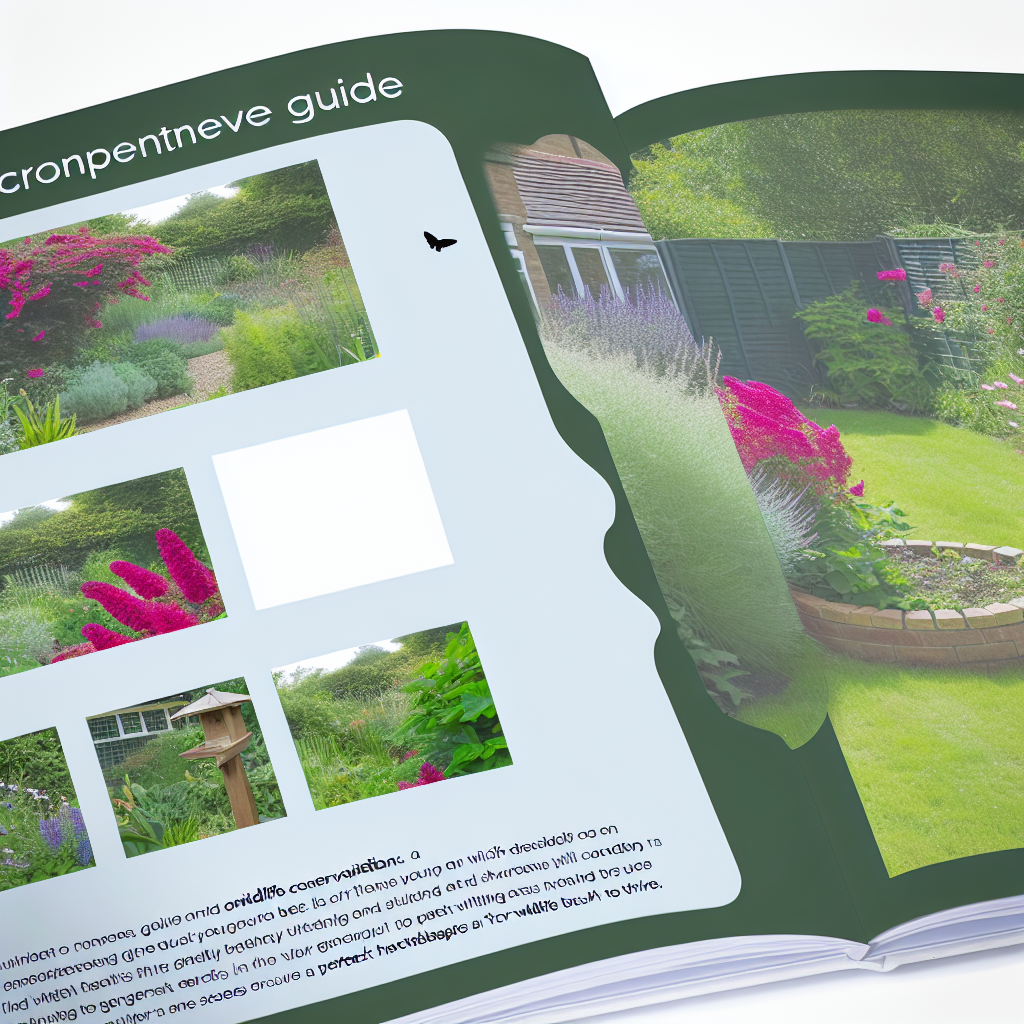
 # Transform Your Garden: A Practical Guide to Seasonal Blooms and Eco-Friendly Techniques
As homeowners, particularly those in the millennial and Gen-X generations, many of us are always on the lookout for ways to enhance our living spaces. One of the most rewarding projects you can undertake is transforming your garden into a vibrant paradise. This article aims to provide practical advice, inspiration, and stories of transformation to help you cultivate a garden that not only beautifies your home but also supports local wildlife.
## Creating Blooming Spaces: Transformative Gardening
### Embracing Change
Gardening is not just about planting flowers; it’s a journey of transformation and discovery. Many of us start with a yard that may not reflect our aesthetic or ecological values. For instance, you may find that your suburban landscape is covered in invasive plants, overrun with weeds, or simply lacking the character you’d like. Think of the potential your outdoor space holds and how you can shape it into something beautiful.
Imagine gradually replacing invasive ground covers with a colorful assortment of perennials like columbines, hydrangeas, and bee balm. It’s a transformative experience that comes with patience and creativity. Change often starts with small steps. Mapping out areas you want to improve can help guide your efforts.
1. **Evaluate Your Space**: Take time to observe the sunlight, moisture levels, and existing plant life. Decide what areas may need the most attention.
2. **Create a Design Plan**: Sketch a layout on paper, considering plant heights, colors, and bloom times to ensure continuous interest throughout the seasons.
3. **Gather Materials**: Make a list of plants, soil amendments, and gardening tools you’ll need based on your design.
### Selective Planting: Attracting Wildlife
A lovely garden is about more than just aesthetics—it can play a crucial role in wildlife conservation, particularly bee populations. Pollinator-friendly plants such as asters, echinacea, and various herbs not only contribute interesting textures and colors but also serve as sustainable food sources.
1. **Choose Native Plants**: Research local flora that attract pollinators specific to your area.
2. **Plant in Clusters**: Rather than scattering individual plants throughout your garden, regroup different species together to attract more pollinators.
3. **Plan for Bloom Diversity**: Incorporate a variety of flowers to ensure blooms throughout different seasons, offering continual nutrition to visiting bees and butterflies.
## Gardening Techniques: From Weeds to Wonders
### Tackling Garden Pests and Problematic Plants
Many homeowners struggle with weeds and invasive species stealing nutrients from your desired plants. If you find yourself constantly battling these unwanted guests, it’s time to employ some practical strategies.
1. **Mulching**: Use a thick layer of organic mulch around your plants to suppress weeds and retain soil moisture.
2. **Raised Beds**: Consider building raised beds filled with enriched soil to promote healthy plant growth while minimizing weed infiltration.
3. **Natural Pest Deterrents**: Strategically incorporate plants like marigolds that deter harmful insects while being visually appealing.
### Seasonal Spotlight: Preparing for Winter Squash and Other Crops
As you plan your seasonal plantings, don’t forget about the joy of sowing and reaping delicious vegetables like winter squash. Here’s a step to get started:
1. **Select Your Varieties**: Research different winter squash types, such as Hokkaido or Butternut, and choose a few to grow.
2. **Prepare the Soil**: Ensure your planting area has well-draining soil enriched with compost.
3. **Sow Seeds**: Follow the seed packet instructions for planting depths and spacing.
Remember, trying new plants isn’t just about what looks good; it’s also about what is delicious and beneficial for your cooking endeavors as well. The satisfaction of growing your own food can be immensely rewarding. Even novice gardeners can start small and build upon their successes.
## Encouragement for Your Gardening Journey
### Share Your Progress
Embarking on a gardening journey means embracing both the highs and lows. As transformations take shape, consider sharing your progress with others. Communities, both online and offline, can provide encouragement and advice, fostering new ideas. Whether it’s posting your progress on social media platforms or engaging with local gardening clubs, you can connect with like-minded individuals who share your passion.
### Celebrate Each Milestone
Acknowledge the milestones—whether it’s the first bloom, a successful harvest, or even the struggle with pesky weeds. Each small victory contributes to your experience, and sometimes those moments of frustration lead to valuable lessons that fine-tune your gardening skills.
## The Takeaway: Cultivate with Care
At the end of the day, your garden is a reflection of your style, creativity, and care. By committing to the process of thoughtful planting, pest management, and seasonal crop rotations, you can create an outdoor space you adore. Gardening teaches us patience, resilience, and the joy of nurturing life. Remember, every garden begins with a vision and a little dirt under your nails. As you immerse yourself in this rewarding hobby, you cultivate not just plants, but memories for years to come. So roll up your sleeves and get inspired—your garden awaits!
Leave a Reply