
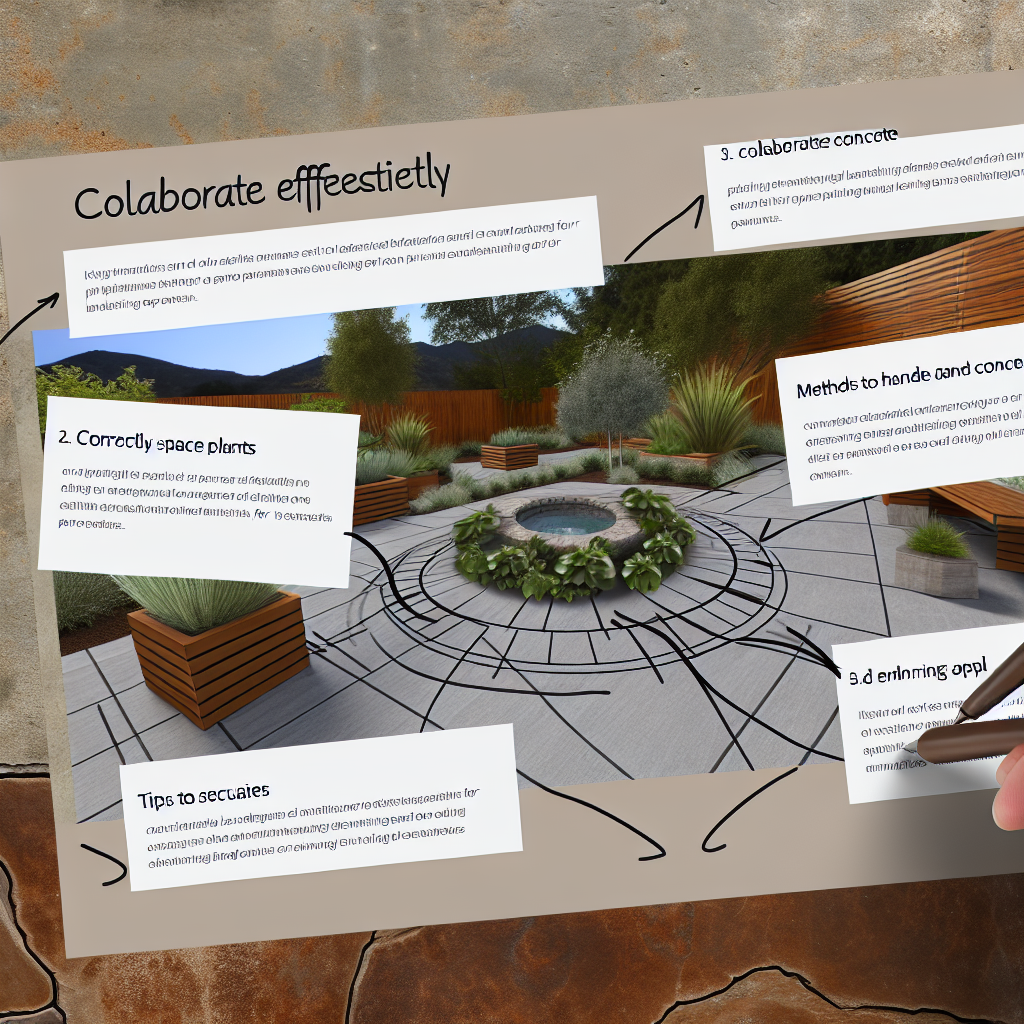
 # Unleashing Your Outdoor Potential: A Homeowner’s Guide to Landscape Projects
Are you ready to transform your yard into an inviting oasis, but feeling a bit overwhelmed? Whether you’re eyeing the sun-soaked corner for a flowerbed or envisioning a chic stone pathway, you’re not alone. Many DIY enthusiasts grapple with similar questions—spacing plants correctly, ensuring that concrete sets perfectly, or figuring out the right edging for a paver walkway. This guide aims to empower you with the knowledge and confidence needed to create an inspiring outdoor space.
## The Landscape Collaboration: Make it Personal
When taking on a yard project, collaboration often yields the best results. Think of your outdoor space as a blank canvas—it’s essential to communicate your vision. Whether you’re working with professionals or seeking advice from online communities, gather as many ideas as possible. For instance, one homeowner recounted how their yard design came together with the input of both a skilled landscaper and a family brainstorming session. While most of the labor was managed in-house, the inclusion of expert advice ensured a functional layout that met their needs.
### Key Takeaway:
**Get involved in the design process.** Don’t hesitate to share ideas and feedback with your team; it’s your space, and ensuring it mirrors your style is crucial.
## Spacing is Key: Avoid Planting Mishaps
One of the most common dilemmas budding gardeners face is plant spacing. When planting crotons and birds of paradise, for example, consider how close they should be to each other. A novice gardener may plant too closely and later find that their colorful displays are crowded out. To avoid these common pitfalls:
– **Research Plant Needs**: Before planting, check how much space each species requires to flourish. For example, crotons need at least 2 feet apart for proper growth.
– **Consider Growth Patterns**: Understand that plants that look small now may grow significantly in a short time. Always consider their mature size before planting.
– **Leave Room for Airflow**: Proper spacing allows light and air to circulate, which is crucial for overall plant health.
### Key Takeaway:
**Spacing isn’t just an aesthetic choice—it impacts plant health.** Aim to create a balance between beauty and practicality in your garden.
## Concrete Concerns: Will It Smooth Out?
One of the biggest frustrations for DIYers is pouring a concrete slab that ends up looking less than perfect. If you’ve recently laid down a concrete surface and are worried about its appearance, remember that some irregularities might resolve over time. seasoned professionals often recommend patience as a virtue:
– **Natural Variability**: New concrete can appear rough. Factors such as weather, substrate quality, and curing times will influence the finish. Expect abstraction as part of the process.
– **Patience is Needed**: Most issues will resolve as the concrete cures over several weeks. Keeping the slab moist during this time can improve its quality significantly.
– **Assess Before You Stress**: If, after curing, you notice significant issues (like deep cracks), consult a professional rather than attempting to fix them yourself; repairs can be complicated and require specific knowledge.
### Key Takeaway:
**Concrete often improves with time.** Monitor its condition to catch any problems early, ensuring durability and quality.
## Pathways Done Right: Edging Essentials
Constructing a paver walkway can be a rewarding DIY endeavor. However, ensuring your edges are sturdy is crucial to avoid having a walkway that unravels after its first winter. One DIY enthusiast realized the necessity of durable edging when a winter storm exposed weaknesses in their initial installation. Here’s how to secure your walkway:
1. **Plastic vs. Concrete Edging**: Plastic edging may be easier to install but can lack the durability needed for long-term use. Consider investing in concrete or stone for durability, particularly in high-traffic areas.
2. **Proper Bedding**: The sand or gravel base should extend beyond the edge of your pavers, providing a solid foundation to prevent shifting.
3. **Adjustment Opportunities**: Don’t hesitate to make adjustments. If you feel the existing setup won’t hold up, now is the time to fix it instead of after it’s set!
### Key Takeaway:
**Properly secure your pavers to prevent future issues.** Well-placed edging and proper bedding can ensure your walkway remains attractive and stable for years.
## Conclusion: Empower Your Outdoor Ambitions
Transforming your outdoor space can feel daunting, but with the right information it can become an exciting journey. Effectively communicate, space your plants appropriately, monitor your concrete, and secure your pathways. Each project is a learning experience that helps build skills and confidence. So roll up your sleeves, get outdoors, and unleash your creative potential—your dream garden awaits.
### Final Question:
As you prepare to tackle your next DIY project, what steps will you take to ensure that you’re ready, equipped, and skilled enough to execute your vision successfully?
Leave a Reply