
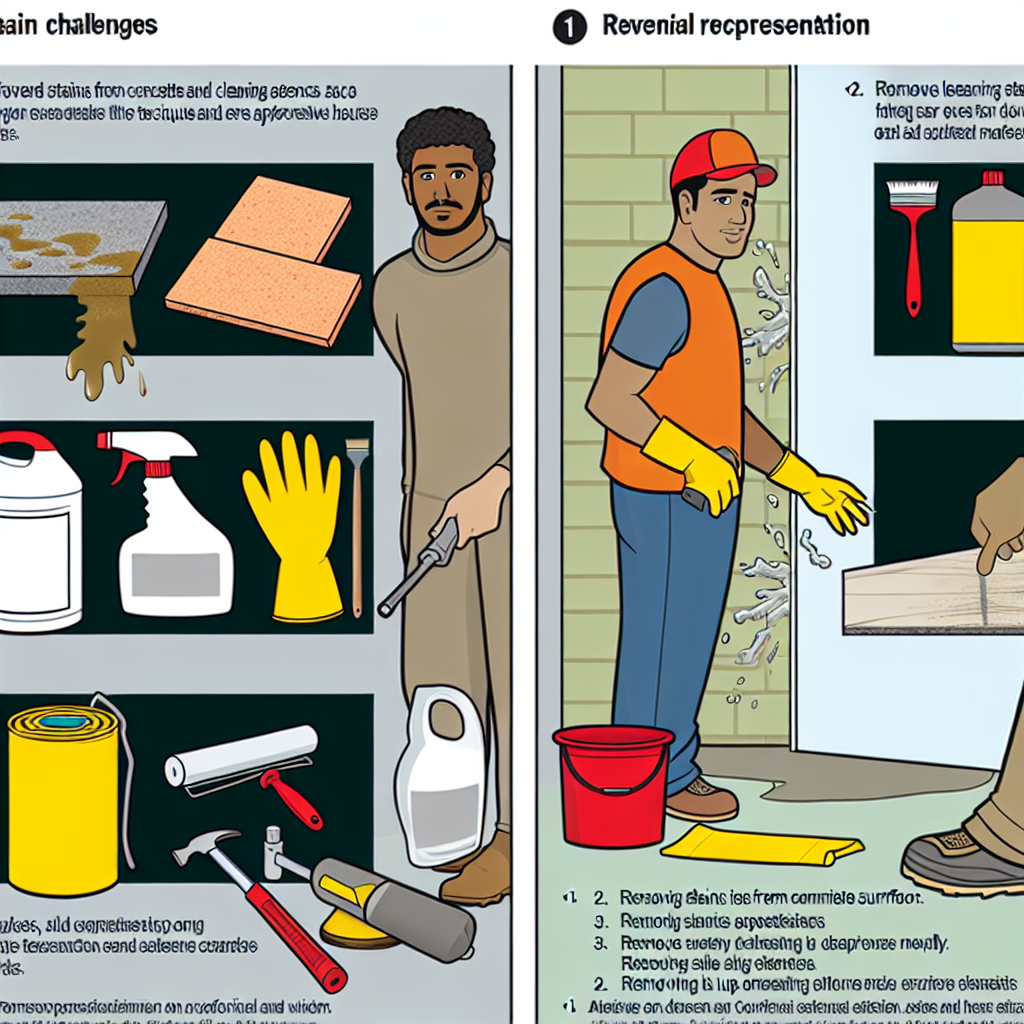
 # Reviving Your Home: Practical Solutions to Common DIY Problems
When it comes to home maintenance, even the most seasoned DIY enthusiasts encounter challenges. From pesky stains on your new siding to disastrous stains on your concrete, it can feel overwhelming. But don’t fret! In this guide, we’ll walk you through practical strategies to restore surfaces without breaking the bank or your spirit. So, roll up your sleeves, grab your tools, and let’s dive in!
## Tackling Stains: Concrete Concerns
### The Challenge of Stained Concrete
Picture this: you’re working on a project, and in the process, your concrete driveway ends up discolored. Perhaps your neighbor’s orange iron-infused water has leaked onto your freshly cleaned surface. The result? A concrete slab that looks more like a canvas for abstract art than a functional feature of your home.
### Step-by-Step Solution
1. **Gather Your Supplies**:
– Stiff-bristled brush
– Vinegar (white)
– Water
– Cleaner specifically designed for concrete stains (e.g., oxalic acid-based)
– Bucket
– Hose
2. **Mix Your Cleaning Solution**:
– Combine one part vinegar with two parts water in a bucket.
3. **Apply the Solution**:
– Dip the stiff-bristled brush into the vinegar solution and scrub the stained areas of the concrete vigorously.
4. **Let it Sit**:
– Allow the mixture to sit for 10-15 minutes for deeper penetration into the stain.
5. **Rinse Thoroughly**:
– Spray the area down with a hose, ensuring all vinegar and debris are washed away.
6. **Apply Specialized Cleaner**:
– If needed, apply a concrete stain cleaner according to the manufacturer’s instructions for tougher stains.
### Prevent Future Stains
Moving forward, it’s essential to seal your concrete at least every two years. This creates a protective barrier against staining agents and makes regular maintenance easier. High-quality concrete sealants can be found at your local home improvement store.
## Dealing with Slime: Siding Slug Marks
### Understanding Slug Marks on Vinyl Siding
Much like unwanted guests, slugs leave their mark—literally! On your newly installed vinyl siding, black slug marks can be disheartening. However, tackling this issue doesn’t have to involve harsh chemicals that might damage your siding’s integrity.
### Step-by-Step Cleaning Procedure
1. **Supplies Needed**:
– Mild dish soap
– Warm water
– Sponge
– Baking soda (optional for tougher stains)
2. **Create Your Cleaning Solution**:
– In a bucket, mix warm water with a few drops of mild dish soap.
3. **Scrub the Affected Area**:
– Dip the sponge into the soapy water and gently scrub the areas with slug marks.
4. **Tackling Stubborn Marks**:
– If marks remain, mix baking soda with a little water to create a paste. Apply this to the marks, let it sit for a few minutes, and scrub gently.
5. **Rinse and Dry**:
– Rinse with water and dry with a clean cloth to prevent streaks.
### Maintenance Tips
Regularly rinse your siding to prevent build-up and maintain its sheen. Additionally, seal any entry points around doors and windows to keep those slugs from coming back!
## Safety Precautions and Common Mistakes
– Always wear gloves when handling harsh cleaners or tools to prevent skin irritation.
– If using a power washer for concrete cleaning, start with lower pressures (2200-3000 PSI). High pressure can damage surfaces or send debris flying.
– Avoid using metal tools on vinyl siding to prevent scratches.
– Rinse surfaces after cleaning agents are applied to minimize residue that can attract dirt.
## Empowering Conclusion
The challenges you face as a homeowner don’t have to lead to a complete overhaul of your space. With a little patience, creativity, and some elbow grease, you can effectively address stains and enhance the longevity of your surfaces. Embrace these challenges as opportunities to learn. Every obstacle conquered not only improves your home but also adds to your skill set.
So, are you ready to tackle your next DIY project, or do you feel your skills need a little brushing up? Share your thoughts or experiences in the comments!
Leave a Reply