
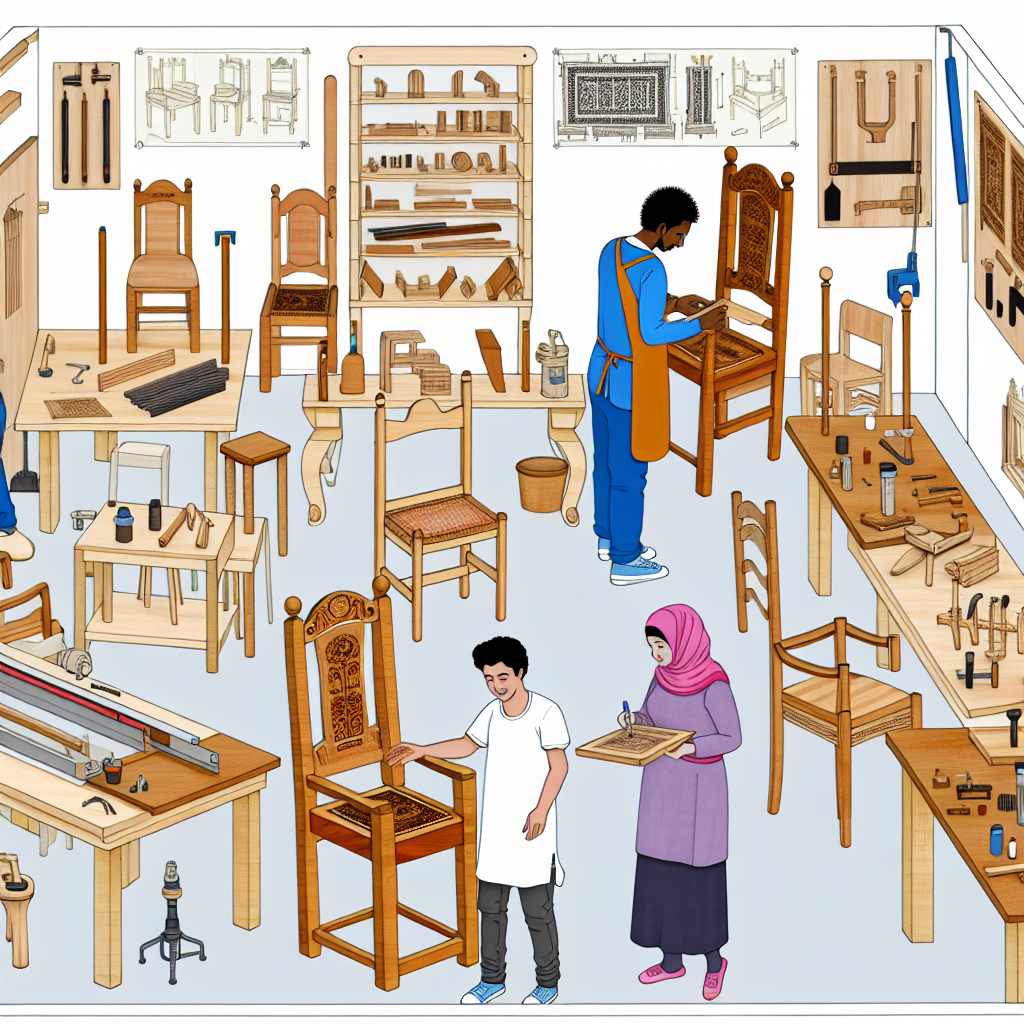
 # Crafting Memories Through Handmade Furniture
As homeowners, there is a true satisfaction in investing time and resources into items that narrate a story. For many, particularly millennials and Gen Xers, crafting handmade furniture has evolved from mere hobby to an extension of personal heritage and sustainability. In this detailed guide, I invite you to embrace the heartwarming world of DIY furniture crafting while sharing practical advice on evaluating handmade pieces and ways to celebrate their true value.
## The Allure of Handmade Furniture
Handmade furniture carries a truly unique charm that mass-produced items cannot replicate. Each piece embodies the skill and personality of its creator—a harmonious blend of art and functionality. Perhaps your mom or a neighbor created a stunning table; it becomes more than just furniture; it turns into a conversation starter, a family heirloom, or even a piece of history.
### Connecting with the Craft
When you find yourself in possession of a handmade piece, it often comes with its own story. Consider a handcrafted table with a hidden inscription—it could be a simple joke, a date, or a meaningful message adding character. These personal touches not only spark laughter or nostalgia but celebrate creativity itself.
## Evaluating Handmade Furniture for Your Home
When accepting or purchasing a handmade furniture piece, it’s helpful to assess it correctly. Understanding its true value can enhance your appreciation and offer insight regarding its place in your space.
### Step 1: Assessing Craftsmanship Quality
Begin by examining the following qualities:
– **Joint Construction:** Look for sturdy joints well-crafted with techniques like dovetail or mortise and tenon, which suggest quality.
– **Wood Type:** Identify the type of wood used. Solid hardwoods like oak, walnut, or maple are more durable than softer woods. Knowing this can help in appreciating the longevity of your piece.
– **Finishing Techniques:** Observe whether the finish highlights the wood grain naturally or if heavy coatings, like paint or epoxy, have been applied. Both choices affect aesthetics and durability differently.
### Step 2: Evaluating Practicality and Functionality
Next, assess the furniture’s size, shape, and function:
– **Purpose:** Will it serve a productive role in your home?
– **Space:** Does it fit well in your designated area? A piece’s character and practicality can transform spaces, spark conversations, and enhance functionality.
## Marketing Handmade Crafts: Opportunities to Share the Craft
For creators, bringing handmade furniture to a broader audience can be rewarding. Here are steps you can encourage your loved ones in the craft to take:
### Step 1: Establishing Value
Recognizing the skill invested in a handmade item is crucial. Research comparable products locally and online to gauge pricing, taking into account material costs and crafting time.
### Step 2: Creating a Brand
Establish a small brand that shares the journey of each furniture piece. Highlight the crafting process through engaging social media posts or a dedicated blog, as potential customers appreciate the storytelling behind each creation.
### Step 3: Choosing Selling Platforms
Select appropriate platforms for showcasing handmade furniture. Sites like Etsy or local craft fairs can provide excellent exposure to potential customers. Encourage experimentation on various platforms to engage and connect with your audience.
## Conclusion: Embracing the Handmade Journey
Handmade furniture symbolizes creativity, love, and long-standing family traditions. As you incorporate these items into your home, it’s vital to respect the stories they carry—be it a lovingly crafted table or a unique neighborhood gift.
### Takeaway
In an increasingly mass-produced world, handmade creations hold tremendous value. By recognizing their craftsmanship and sharing their significance, we perpetuate these stories while inspiring talented hands to keep shaping the memories of our homes.
## Common DIY Project: Building a Simple Coffee Table
To cap off our discussion on handmade furniture, let’s delve into a simple DIY project you can undertake: a coffee table!
### Tools and Materials Needed:
– Circular saw or miter saw
– Drill
– Measuring tape
– Wood screws
– Sandpaper
– Wood glue
– Finish of your choice (stain, paint, or varnish)
### Step-by-Step Instructions:
1. **Planning Your Design:** Sketch your design on paper with precise measurements. A basic coffee table could be 48” long and 24” wide with a height of about 18” or 20”.
2. **Cutting the Wood:** Using a circular saw, carefully cut the pieces to the dimensions of your design: tabletops, legs, and supports.
3. **Assembling the Frame:** Attach the frame supporting the tabletop. Consider using wood glue in addition to screws for added stability.
4. **Attaching the Top:** Secure the tabletop to your frame using screws, ensuring it’s square and level.
5. **Finishing Touches:** Sand all surfaces thoroughly and apply your chosen finish to protect the wood.
6. **Final Assembly:** Allow your finish to dry completely before placing it in your living area.
### Common Mistakes & Pro Tips:
– **Measure Twice, Cut Once:** Always be sure of your dimensions before making any cuts—mistakes can be costly.
– **Safe Power Tool Use:** Always wear safety glasses and a dust mask when cutting wood.
## Empowering Conclusion
As you navigate the world of DIY furniture crafting and evaluating handmade pieces, ask yourself: Are you ready to take on your first handmade project, or is there more preparation needed to bring your creativity to life?
Leave a Reply