
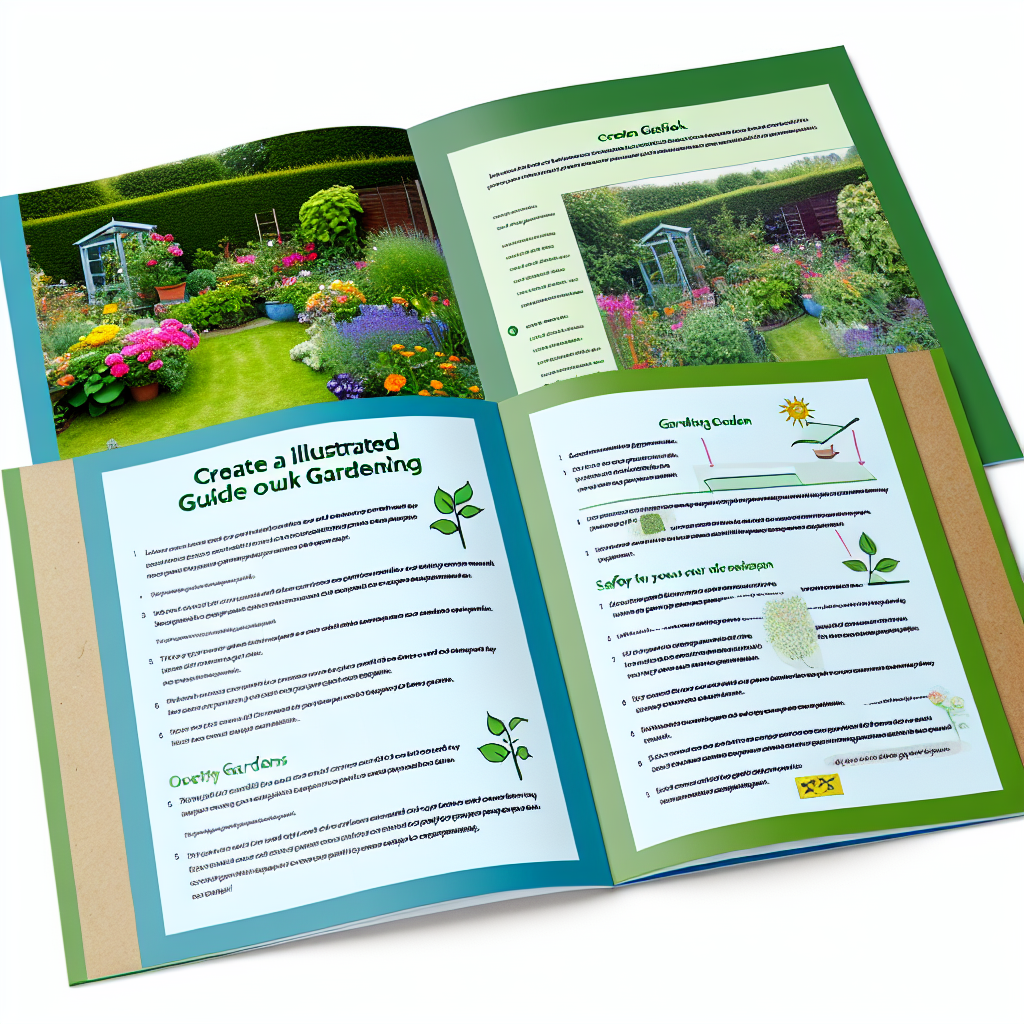
 # Transforming Your Garden: From Overgrown to Overachieving
Creating a beautiful outdoor space can be one of the most rewarding experiences for homeowners, especially for those in the millennial and Gen-X generations looking to cultivate their own slice of paradise. Whether you’re a seasoned gardener or just starting your journey, transforming your yard into a vibrant landscape is a project filled with potential. In this article, we will explore sources of inspiration, practical steps, safety precautions, and professional tips to help you along your gardening adventure.
## Step 1: Assess Your Space
**Evaluating Your Garden**
When you first step into your garden, it can feel overwhelming—especially if your space is filled with weeds, unwanted plants, or structures that have seen better days. Start by evaluating what you currently have:
– **Make a Sketch**: Draw a rough layout of your garden area. Mark where existing plants, structures, and problem areas are located.
– **Identify Value**: Take stock of existing plants and structures. Are there any plants you adore, or elements that need to go? Remember, every garden tells a story!
## Step 2: Plan for the Future
**Creating a Planting Strategy**
After your assessment, it’s time to draw up a planting strategy:
– **Choose Your Plants**: Consider including flowers like echinacea, bee balm, and lupins which attract beneficial insects like bees.
– **Native Plants**: Research native plants that thrive in your region and create a list.
– **Raised Garden Beds**: Consider implementing raised garden beds for your native plants. They’ll not only encourage healthy growth but also make harvesting easier.
## Step 3: Garden Preparation
**Clearing the Area**
Before planting, you’ll need to prep your garden. This step is crucial:
– **Gather Tools**: You will need gloves, a pruning saw, trowel, shovel, rake, and a hoe.
– **Remove Weeds and Debris**: Start by removing any existing weeds and debris. Use a trowel to dig out the roots to prevent regrowth.
– **Soil Quality**: Test your soil pH and nutrient levels. You may buy a soil test kit at your local garden store. Based on findings, amend the soil with organic compost to improve quality.
## Step 4: Planting Your Garden
**Setting the Stage**
Now it’s time to plant:
– **Follow Spacing Guidelines**: Referring to your plant list, follow spacing guidelines indicated on the plant tags. Generally, start with taller plants at the back and shorter ones at the front.
– **Dig Holes**: Use your trowel to dig holes as per the height needed; each hole should be twice as wide as the root ball of your plant.
– **Water**: After placing the plants in the ground, water them generously. Be sure to settle the soil around the roots.
## Step 5: Ongoing Care
**Maintenance**
Once your garden is planted, ongoing care is critical:
– **Watering**: Consistently water your plants aiming for approximately an inch of water per week. Check soil moisture levels regularly.
– **Mulching**: Apply a layer of mulch to control weeds and maintain soil moisture.
– **Pruning**: Develop a pruning schedule to remove dead blooms or leaves, encouraging new growth and overall plant health.
## Common Mistakes to Avoid
As you navigate this process, keep these common mistakes in mind:
– **Overcrowding**: Don’t plant too closely together. Every plant needs space to breathe and grow.
– **Ignoring Drainage**: Make sure your garden has proper drainage to prevent root rot. Raised beds typically have great drainage.
– **Neglecting Weeds**: Weeds can quickly take over an area. Regularly check for and remove them.
## Pro Tips for Success
– **Start Small**: If this is your first project, consider starting with a small section of your garden. You can gradually expand as your confidence grows.
– **Stay Patient**: Remember, gardening is a journey—a bit of patience promotes resilience and survival in your plants.
– **Document Your Progress**: Snap photos along the way to track growth and changes. Sharing these accomplishments can motivate others!
## Safety Precautions
Before getting started, prioritize safety:
– **Protective Gear**: Always wear gardening gloves and if using tools like a pruning saw, safety goggles are recommended.
– **Avoid Strains**: Follow proper lifting techniques and take breaks when needed to avoid fatigue-related injuries.
## Empowering Conclusion: Reflect on Your Gardening Journey
At the end of the day, gardening is not just about the plants or yields. It’s a way to unwind, connect with nature, and beautify your home. With each seed you sow, you’re also planting a little hope. As you embark on this transformative journey, consider what you’ve learned about yourself through this process. Are you ready to take your gardening to the next level, or do you need more time to prepare?
Happy gardening!
Leave a Reply