
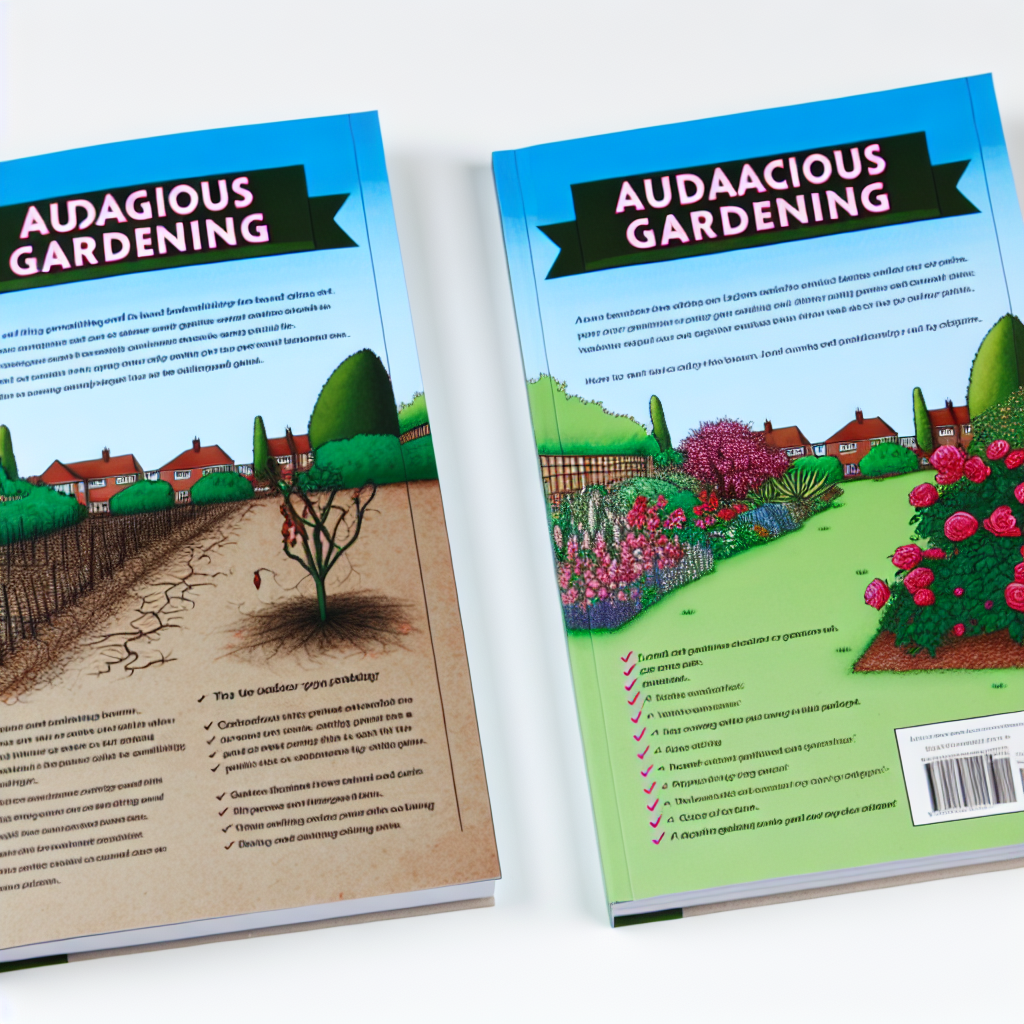
 # Transform Your Garden: From Blah to Blooming Marvel
## Introduction
Are you itching to transform your outdoor space into a flourishing garden but not quite sure where to start? Whether you’re a millennial or a Gen-X homeowner, the journey from an uninspiring plot to a vibrant oasis takes commitment and creativity. With spring in the air and summer just around the corner, it’s the perfect time to dive into gardening and give your backyard a fresh lease on life. This comprehensive guide aims to inspire and equip you with practical advice and insightful ideas for making your garden the talk of the neighborhood.
## Step 1: Assess Your Space
Before planting a single seed, take a thorough look at your garden. What does it currently look like? Identify problem areas cluttered with stubborn weeds or invasive plants. Consider the following:
– **Sunlight and Shade:** Observe how much sun different areas get throughout the day. This will dictate what plants will thrive in your garden. Chart the sun patterns to help plan your layout better.
– **Soil Quality:** Conduct a soil test to check its pH and nutrient levels. Healthy soil is foundational for your plants’ growth. Amend as needed with compost or fertilizers to improve it. A pH range of 6.0 to 7.0 is ideal for most plants.
– **Watering Needs:** Think about your irrigation options. Will you be manual watering with a hose, or do you prefer an automated system? Ensure your watering method fits your plant choices and size of the garden.
## Step 2: Planning and Design
Now that you’ve assessed your space, it’s time to indulge your creative side. Garden design doesn’t have to be complicated; sometimes, simplicity is key. Here’s how to map out your gardening strategy:
### Create Zones
Divide your garden into areas based on how you plan to use them. For example, you might have a cozy seating area surrounded by flowers or a section dedicated to vegetables. Keep pathways wide enough (at least 2 feet) for ease of movement.
### Choose Your Plants
Now comes the fun part—selecting plants! Are you drawn to bold, colorful blooms, or do you prefer low-maintenance perennial options? Here are some suggestions that cater to both aesthetics and the ecosystem:
– **For Pollinator Attraction:** Hydrangeas, bee balm, and echinacea will draw in butterflies and bees, benefiting your garden’s health.
– **For Vibrant Colors:** Mix tulips, columbines, and delphiniums for a rainbow of hues throughout the growing season. Plant them in groups for maximum impact.
– **For Edibles:** Consider adding raised beds filled with strawberries, raspberries, and herbs to your garden; not only do they look great, but they’ll also enhance your culinary adventures. Make sure the raised bed is at least 12 inches deep for root health.
## Step 3: Tackle the Unwanted Guests
Gardening isn’t just about the flowers and vegetables—it can also mean dealing with uninvited pests. If you’re struggling with invasive plants or ants, here are some methods to handle them effectively:
### Manual Removal
For smaller areas, the most straightforward method is to pull invasive plants out by the roots. Ensure you are removing them fully to prevent regrowth. Use a weeder tool for tight spots.
### Natural Solutions
Consider using natural deterrents, like diatomaceous earth (great for crawling insects) or homemade vinegar sprays for unwanted weeds. This keeps your environment chemical-free and safer for your pets and children.
## Step 4: Nourishing Your Space
Once you’ve planted your flowers, shrubs, and vegetables, ongoing care is crucial. Here are some aspects to consider:
– **Mulching:** Add a layer of organic mulch (about 2-3 inches thick) to reduce weeds, conserve moisture, and add nutrients as it breaks down. Avoid piling mulch against plant stems.
– **Watering Wisely:** Early morning is the best time for watering; it allows for evaporation reduction and encourages deeper root growth. Use soaker hoses if possible for efficient watering.
– **Fertilizing:** Use organic fertilizers for better plant health. This ensures your plants have the necessary nutrients to thrive. Follow the package directions for application rates.
## Step 5: Celebrate Your Growth
As summer approaches, you’ll start to see the fruits of your labor bloom beautifully. Celebrate your gardening journey with the same enthusiasm you had in the beginning:
– **Garden Journals:** Keep a journal of your garden’s transformation. Document what worked, what didn’t, and your favorite plants. Include sketches to visualize your plans.
– **Community Sharing:** Consider sharing your progress on social media or community forums. You might inspire others or find valuable tips from fellow gardeners along the way! Organize a garden swap with neighbors to exchange plants and ideas.
## Takeaway
Transforming your garden is as much about patience and persistence as it is about planting. By assessing your space, designing your layout, tackling pests, and nurturing your plants, you can take your garden from ordinary to extraordinary. Remember, every garden journey is unique, so embrace the evolution of your space. Get out there and dig in—you might just find a new passion waiting to bloom!
Whether you’re experimenting with new seeds or sharing your experiences, every step forward is a step towards creating a stunning outdoor retreat. Now, go ahead and get inspired—you’ve got this!
Leave a Reply