
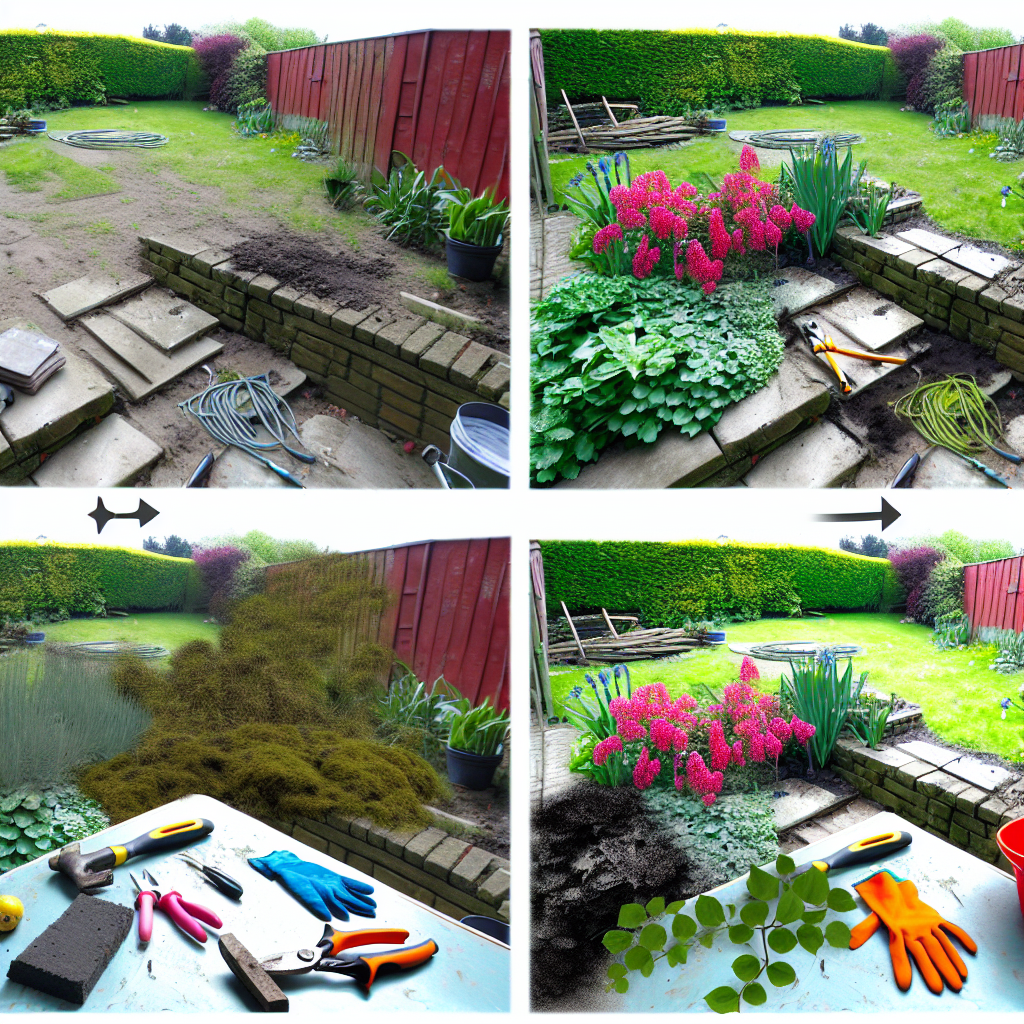
 # Transform Your Yard: A Practical Guide to Creating a Flourishing Garden
Nothing compares to the satisfaction of improving your home, especially when that improvement takes place outdoors. The prospect of transforming your yard into a lush garden might appear daunting. You could be facing ugly weeds, overgrown bushes, or dry patches of grass. However, with a clear plan and some elbow grease, you can cultivate a space that’s not only visually stunning but supports your local ecosystem.
## Embrace the Challenge: Your New Garden Awaits
Before digging in, let’s acknowledge the initial intimidation many homeowners feel about landscaping. Whether it’s the overwhelming sight of your current yard or lack of gardening knowledge, the first step to a flourishing garden is to embrace the challenge. Remember, every successful garden begins with a vision and dedication.
## Step 1: Evaluate Your Space Safely
Proper evaluation of your existing space will guide your design. Here’s how to assess your yard safely and effectively:
1. **Inspect Soil Quality:**
– Take a small sample of your soil. Break it apart; if it clumps, your soil has clay in it. Sandy soil crumbles easily. Assessing this helps determine water retention.
– **Tip:** Wear gloves when handling soil to protect your hands from contaminants.
2. **Observe Sun Exposure:**
– Take note of areas that receive full sunlight (6-8 hours of sun) and those that remain shaded. Different plants will thrive in different light conditions.
– **Pro Insight:** Use a sun chart to track light patterns throughout the day.
3. **Identify Invasive Species:**
– Note plants like dandelions or creeping Charlie, which can stunt growth of desired plants.
### Create a Safe Plan
Draft a simple sketch of your vision. Mark areas for flower beds, trees, and potential vegetable patches. Visualization often clarifies ideas and helps ease the overwhelming feeling.
## Step 2: Select the Right Plants
Choosing plants is crucial—the right selections make for a healthy and vibrant garden. Consider the following:
– **Perennials:** Plants like coneflowers and peonies will return each spring.
– **Native Plants:** They typically require less water and maintenance, and they support local wildlife.
– **Fruit-bearing Plants:** Berry bushes and fruit trees provide beauty and produce.
### Cultivate a Pollinator’s Paradise
Ensure a continuous bloom of flowers throughout different seasons to support local bees and butterflies. Their presence is vital for pollination and maintaining biodiversity in your garden.
## Step 3: Remove Unwanted Plants with Precision
Invasive weeds can threaten your garden. Here are some removal techniques:
– **Manual Removal:** Don’t just pull; ensure roots are extracted to prevent regrowth. Consider a weeding tool to do this safely.
– **Mulching:** Use organic mulches to suppress weed growth while enriching soil.
– **Natural Herbicides:** For persistent weeds, eco-friendly options can help target and eliminate problematic plants.
## Step 4: Build Your Garden Beds
Follow these careful steps to create effective garden beds:
1. **Designate the Area:** Use garden stakes or a garden hose to outline the bed’s boundaries.
2. **Sunlight Measurement:** Ensure sunny areas are used for plants that thrive with ample light.
3. **Soil Preparation:**
– Turn the soil with a spade, breaking up lumps and incorporating compost to improve soil fertility.
– **Tools Needed:** Shovel, rake, wheelbarrow.
4. **Plant Arrangement:** Arrange your plants according to your sketch, taller plants back and shorter in front. This provides necessary sunlight for all plants.
## Step 5: Maintain with Care and Attention
Regular maintenance is fundamental for your garden’s health:
– **Watering:** Water deeply but less frequently to encourage root growth. Drip systems can simplify this task.
– **Weeding:** Dedicate time weekly to keep your garden clear of invasive species.
– **Pruning:** Trim back overgrown plants to promote healthy growth and maintain shape.
## Common Mistakes to Avoid
– **Rushing Plant Selection:** Choose plants based on your climate to ensure a thriving garden.
– **Neglecting Soil Quality:** Don’t overlook this essential factor; healthy soil is the foundation of a thriving garden.
– **Ignoring Maintenance:** Regular upkeep is crucial for the health of your garden. Set reminders if necessary.
## Empowering Conclusion
Transforming your yard into a beautiful, functional garden is entirely attainable with a solid plan and dedication. Each step you take enhances your home’s beauty and fosters local wildlife. As you embark on this journey, remember to start small, be consistent, and take pride in your progress. Are you ready to assess your own skills or projects in the garden? Reflect on what you’ve learned and consider sharing your journey with the DIY community!
Leave a Reply